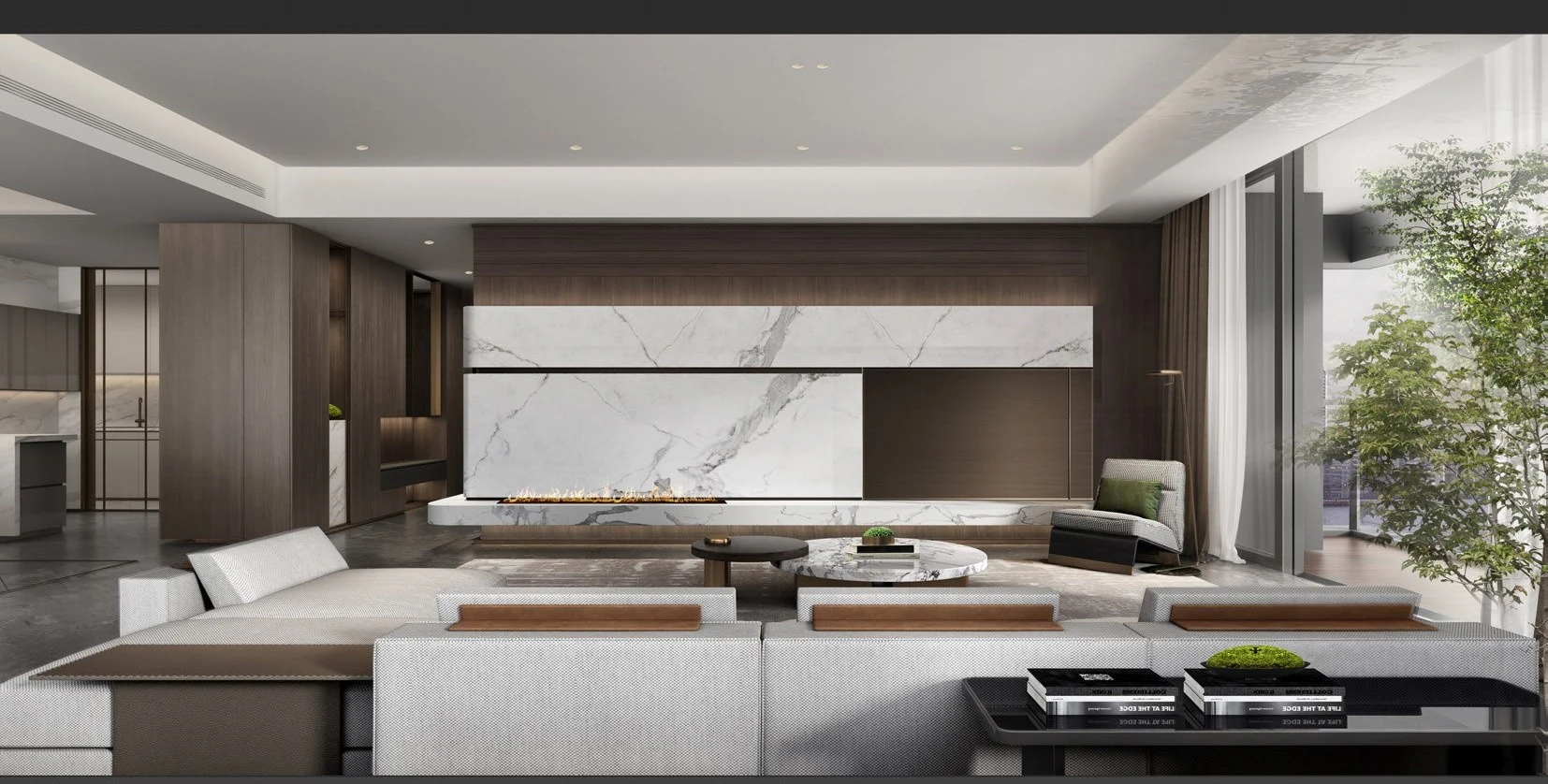
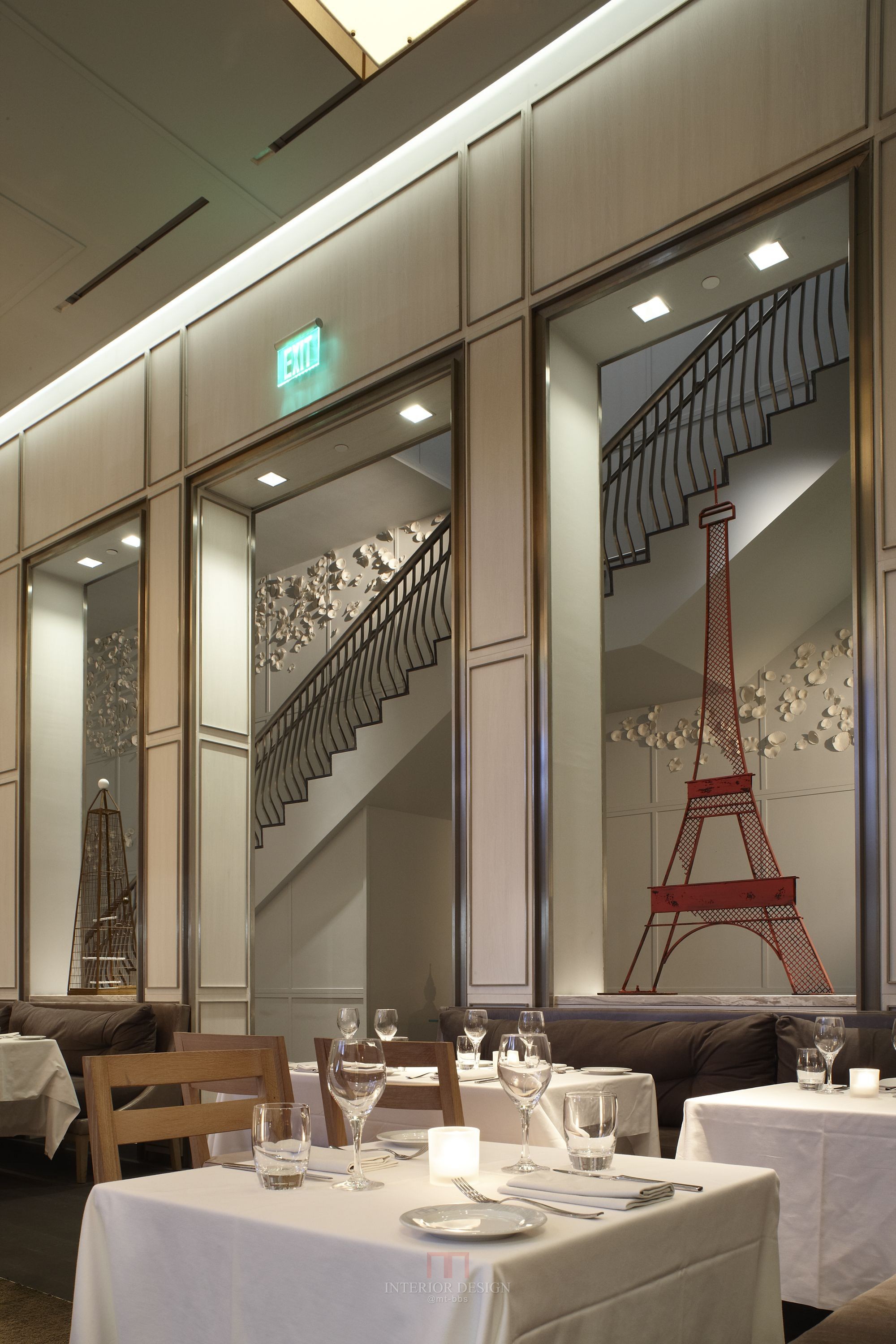
- 110
Restaurant Interior Design Ho Chi Minh City: Designing for the Heart, Not Just the Plate
In District 1’s alleyways, where motorbikes weave past steaming phở stalls, and in the sleek high-rises of Thao Dien, where omakase chefs plate silence alongside tuna—Ho Chi Minh City (HCMC) doesn’t just eat. It experiences food. And in 2026, diners don’t just choose restaurants for what’s on the menu—they choose them for how they feel. Restaurant Interior Design Ho Chi Minh City
“Ăn không chỉ để no, mà để nhớ.”
(“We don’t eat just to be full—we eat to remember.”)
This is the heart of Restaurant Interior Design Ho Chi Minh City: not decoration, but emotional choreography. A space that doesn’t merely hold tables—but holds moments.
Beyond Beauty: The Anatomy of an Experience-Driven Restaurant
Great restaurant design isn’t about Instagrammable corners or imported marble. It’s about orchestrating a journey—from the first glance at the façade to the lingering sip of cà phê sữa đá after dessert. At our firm, we approach every project through six interconnected layers:
1. Spatial Storytelling That Honors Local Soul
In HCMC, authenticity matters. A French-Vietnamese bistro in Phu Nhuan shouldn’t feel like Paris—it should feel like Saigon in 1955, reimagined. We embed narrative into architecture: curved walls echoing the Saigon River, ceiling lattices inspired by nón lá (conical hats), or bar counters made from reclaimed teak from Mekong Delta homes. The space tells your brand’s story—without saying a word.
2. Sensory Harmony: Light, Sound, Texture, Scent
Harsh lighting kills intimacy. Echoey rooms drown conversation. In Vietnam’s humid climate, materials must breathe—and feel inviting. We use warm, dimmable LEDs that mimic golden hour; acoustic panels woven from rattan; floors of honed laterite stone that stay cool underfoot. Even scent is curated: subtle lemongrass diffusers near entrances, never overpowering the food.
“Không gian yên tĩnh, món ăn mới lên tiếng.”
(“In a quiet space, the food can speak.”)
3. Customer Flow as Silent Hospitality
A chaotic entrance, a bottleneck at the bar, waiters crisscrossing like traffic—these break immersion. We map every guest movement: arrival → greeting → seating → ordering → dining → payment → departure. In busy districts like Binh Thanh or District 3, where turnover is high but experience must remain premium, we design “invisible” service paths so staff glide, not rush.
4. Operational Efficiency Woven into Aesthetics
Beauty that doesn’t work is just theater. Our kitchen layouts follow Vietnamese service rhythms—fast for lunch crowds, precise for tasting menus. Pass-throughs align with dishwashing flow. Storage hides behind screens that double as art. Every design decision supports both guest delight and staff ease—because burnt-out teams can’t deliver warmth.
5. Climate-Responsive Comfort
HCMC’s heat and humidity demand more than AC. We integrate cross-ventilation courtyards, shaded verandas with ceiling fans, and indoor greenery that cools naturally. In open-air concepts (popular in Thao Dien and Tan Dinh), retractable roofs and misting systems let rain become part of the ambiance—not a disruption.
6. Dwell Time by Design
Want guests to linger? Create zones. A cozy banquette for couples, a communal table for friends sharing bánh xèo, a quiet corner for solo diners with books. In a city where young professionals crave “third places” between office and home, these micro-environments encourage connection—and repeat visits.
Why HCMC Demands a Hyper-Local Approach
Global trends land differently here. While European diners may prefer minimalist austerity, HCMC embraces layered warmth—ấm cúng (cozy intimacy). Gen Z seeks shareable moments, yes—but also authenticity. They’ll spot a “fake heritage” wall instantly.
Moreover, regulations matter: fire egress in narrow shophouses, noise limits in residential alleys, waste disposal rules for kitchens. Our team navigates these seamlessly, ensuring compliance without compromising vision.
And competition is fierce. With over 20,000 F&B outlets in HCMC, standing out isn’t optional. Your interior must be your silent ambassador—inviting, memorable, unmistakably you.
From Concept to Turnkey: Our End-to-End Partnership
As a global interior design and build partner with deep roots in Vietnam, we offer full-cycle Restaurant Interior Design Ho Chi Minh City services:
- F&B concept & brand positioning
- Spatial strategy & customer journey mapping
- Material sourcing (local bamboo, recycled ceramics, sustainable textiles)
- Technical documentation compliant with Vietnamese building codes
- Full fit-out, lighting programming, and soft launch support
We’ve helped a family-run bún bò legacy brand modernize its District 5 storefront without losing soul. We’ve designed a zero-waste fine-dining destination in Nguyen Hue that uses compostable finishes and solar-powered mood lighting. Each project begins not with a mood board—but with a question: What feeling do you want your guests to carry home?
The Future of Dining Is Emotional
In 2026, people don’t just pay for food—they pay for belonging, surprise, comfort, discovery. And in Ho Chi Minh City—a city that thrives on energy, memory, and human connection—the most successful restaurants will be those that design for the heart.
“Một bữa ăn ngon là khi bạn nhớ cả không gian.”
(“A good meal is when you remember the space too.”)
That’s the promise of thoughtful Restaurant Interior Design Ho Chi Minh City: not just a place to eat, but a place to feel.
Let’s create yours—together.
Connect with us in