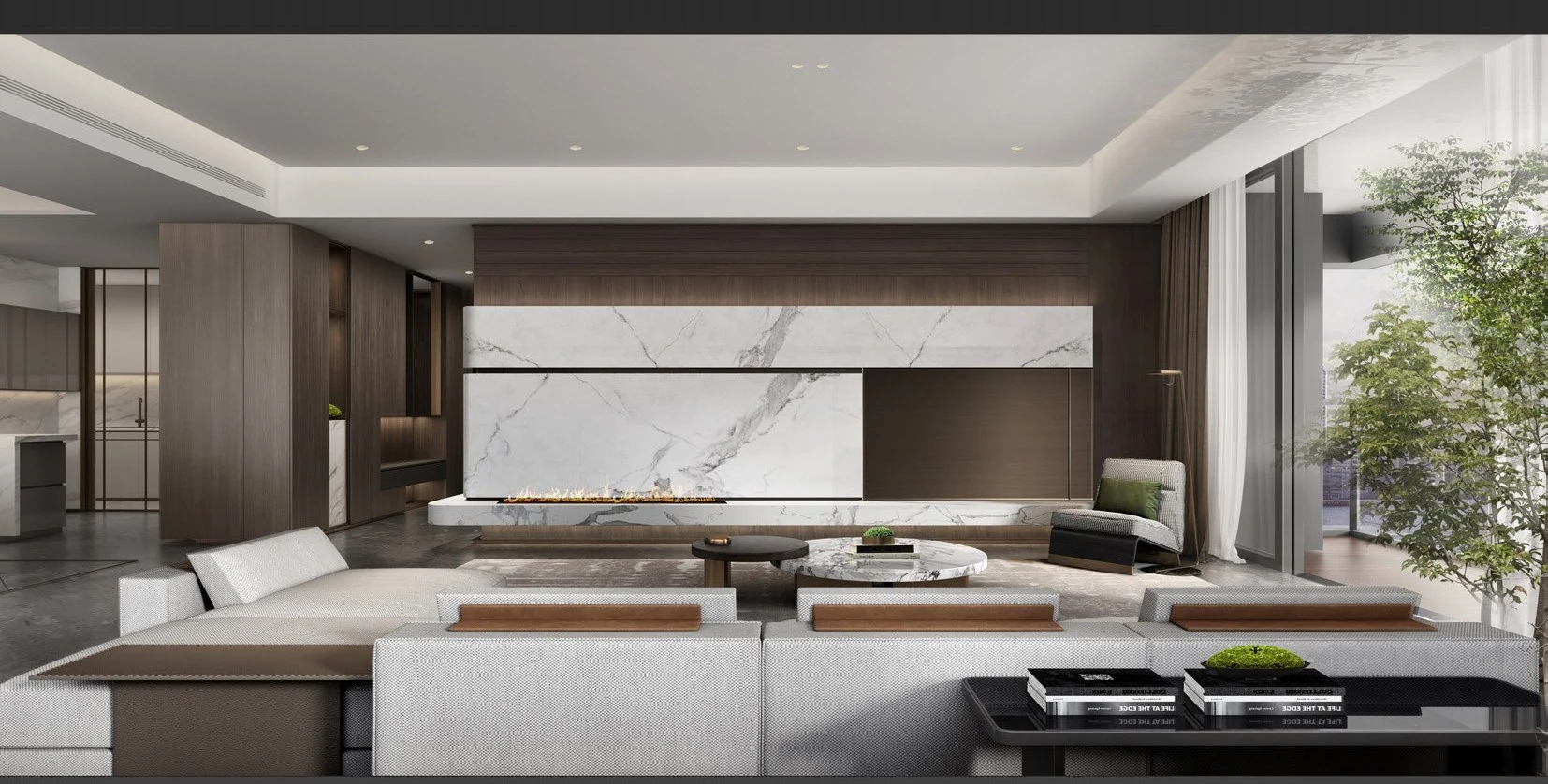
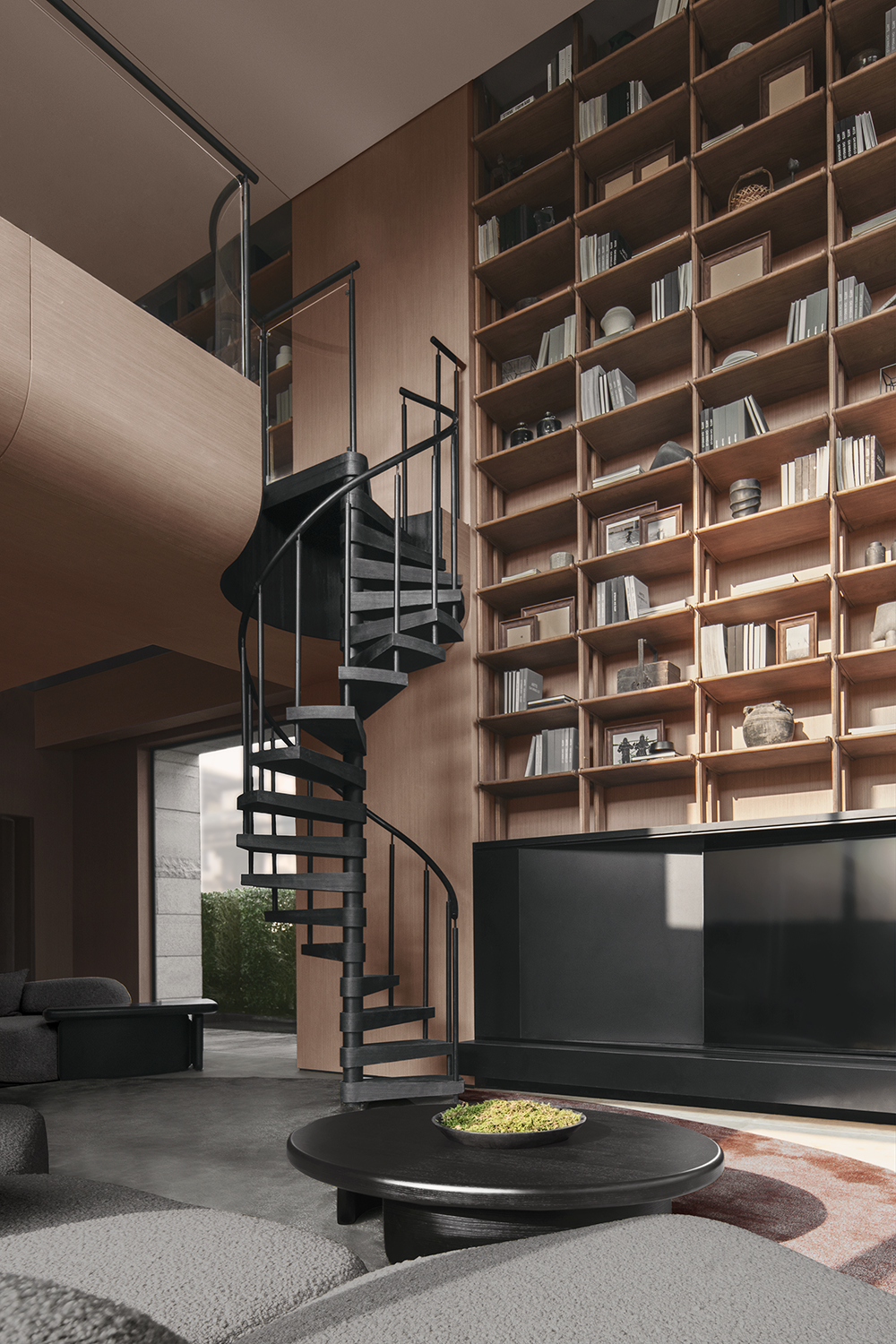
Ho Chi Minh City Interior Design: How We Transform Retail & Restaurant Spaces into Immersive Destinations
In the bustling heart of Vietnam’s commercial capital, Ho Chi Minh City interior design is no longer just about function or luxury—it’s about experience .As a creative interior designer who specializes in crafting emotional, people-centric environments, I’ve had the privilege of working across District 1, District 7, and Phú Mỹ Hưng—each offering its own rhythm, culture, and consumer energy. And one thing is clear: today’s shoppers and diners don’t just want to buy or eat—they want to feel something.Interior Design Ho Chi Minh City
At our firm, we believe great retail and restaurant spaces should be more than transactional—they should be immersive destinations . Places where customers don’t just visit once, but return again and again.
Here’s how we do it—and how you can start transforming your space into a place people truly want to be.
Step 1: Understand Your Story Before You Build the Space
Every brand has a story. Whether it’s a boutique fashion label inspired by Saigon’s golden era or a modern café reimagining traditional Vietnamese coffee culture, your interior should reflect that narrative from the moment someone walks through the door.
At our firm, we begin every project with what we call “The Story Session”—a deep dive into your brand values, target audience, and emotional goals. What kind of feeling do you want guests to walk away with? Joy? Nostalgia? Curiosity?
This insight shapes everything—from layout and lighting to scent and soundscapes.
For example, in a recent café concept in District 3, we infused warm wood tones, soft jazz music, and vintage-style lamps to evoke the charm of 1960s Saigon. The result? A space that felt like a memory waiting to be made.
Step 2: Create Multi-Sensory Experiences That Engage All the Senses
Great Ho Chi Minh City interior design doesn’t just look good—it makes you feel something.
That’s why we focus on multi-sensory storytelling:
- Sight : Use color psychology to guide mood and movement
- Sound : Integrate ambient music or subtle background noise to set the tone
- Smell : Diffuse scents that align with your brand—like lemongrass for freshness or roasted beans for cafés
- Touch : Incorporate tactile textures—smooth marble, rough stone, soft velvet—to create emotional depth
- Taste : In F&B spaces, ensure the design enhances the dining experience, from table spacing to visual presentation
One of our favorite projects involved a fine-dining restaurant near Bitexco Tower. By using natural materials, dynamic lighting, and curated artwork inspired by Mekong Delta landscapes, we transformed the venue into an unforgettable journey—not just a meal.
Step 3: Design Layouts That Guide Emotion and Flow
A well-designed space doesn’t just attract attention—it guides behavior.
We use spatial planning techniques that subtly influence customer flow and dwell time. This means:
- Creating visual anchors (signature walls, statement chandeliers, art installations) to draw people in
- Using warm lighting to highlight key areas and create intimacy
- Designing Instagrammable corners that encourage social sharing
- Placing high-margin items at eye level or along natural pathways
In a recent boutique fit-out in Vincom Center, we introduced curved layouts instead of rigid grids—encouraging customers to explore without feeling rushed. The result was increased foot traffic and higher conversion rates.
Because when your space feels inviting, people stay longer—and spend more.
Step 4: Infuse Local Culture Without Feeling Themed
Vietnamese consumers are proud of their heritage—and they appreciate brands that celebrate local identity without falling into cliché.
That’s why we incorporate cultural elements in fresh, meaningful ways:
- Reinterpreting traditional lacquer art into modern wall panels
- Using handcrafted ceramic tiles inspired by Hue architecture
- Integrating bamboo in sleek, contemporary designs
- Featuring bilingual signage that respects both Vietnamese and international audiences
In a recent restaurant project in Thảo Điền, we combined open-air seating with woven rattan screens and floating lanterns—evoking the essence of a riverside market without being literal.
These touches make your space feel authentic, not imported—and that builds trust with your audience.
Step 5: Make It Interactive—Invite Customers to Participate
Immersive design isn’t just about looking—it’s about doing.
Whether it’s a retail store where customers can customize products or a café where they can watch food being prepared, interaction increases engagement and memorability.
Some of our strategies include:
- Live cooking stations in restaurants
- DIY product bars in beauty or lifestyle stores
- QR code storytelling that reveals behind-the-scenes insights
- Interactive digital displays that educate while entertaining
In a concept store we designed in Crescent Mall, we introduced a “tasting corner” where visitors could sample ingredients while learning about the brand’s sourcing process. It became a viral hit on TikTok and Zalo alike.
Because when customers become part of the experience, they become part of your story.
Case Study: From Storefront to Destination – A Café Turnaround
A growing local café chain approached us with a challenge: despite great coffee, foot traffic was low.
We reimagined their space with immersion in mind:
- Introduced a central tea-tasting bar inspired by old Hanoi tea houses
- Designed a mural wall depicting the journey of coffee from bean to cup
- Used warm amber lighting to create a sense of intimacy
- Added lounge-style seating zones to encourage conversation
Within three months, customer retention improved by 40%—and online engagement soared.
Because when your space tells a story, people want to come back and hear the next chapter.
Final Thoughts: More Than Just Design—Building Emotional Connections
Interior design, especially in retail and hospitality, is no longer just about aesthetics—it’s about emotion. At our firm, we believe the future of Ho Chi Minh City interior design lies in creating spaces that don’t just serve a purpose—but stir the soul.
Because in a city full of motion, your space should be the one that makes people stop, breathe, and remember.
Let’s build more than just interiors. Let’s build experiences.
Ready to turn your retail or restaurant space into an immersive destination with thoughtful Ho Chi Minh City interior design ?
Let’s collaborate to create a space that captivates, connects, and converts. Contact us today to begin your journey toward a truly unforgettable transformation.
Designing Spaces That Sell & Delight
Follow us on social media, we post good stuff