Interior Design Ho Chi Minh City | Modern Luxe Hospitality Spaces for Boutique and Five-Star Hotels
Ho Chi Minh City has evolved into one of Southeast Asia’s most dynamic urban destinations. With a thriving business environment, a vibrant culinary scene, and increasing international tourism, the city’s hospitality landscape is expanding rapidly.Interior Design ho chi minh city
Luxury hotels, boutique lifestyle properties, and business-oriented accommodations are rising across key districts such as District 1, District 3, and the modern business corridor of Thu Duc City.
In this highly competitive hospitality market, hotels must do more than offer comfortable rooms. They must deliver immersive experiences that reflect the spirit of the city while meeting global luxury expectations.
This is where Interior Design Ho Chi Minh City becomes a strategic design discipline—one that blends contemporary elegance, cultural storytelling, and operational intelligence to create memorable hotel environments.
As designers passionate about crafting emotional, people-centric spaces, our firm approaches hospitality design as an opportunity to shape how travelers experience a destination.
Understanding Ho Chi Minh City’s Hospitality Ecosystem
Ho Chi Minh City attracts a diverse mix of travelers. Business executives, international investors, digital entrepreneurs, and leisure tourists all converge here for different reasons.
Corporate visitors often stay near the financial and commercial core of District 1, where office towers, luxury retail, and premium hotels coexist. Meanwhile, boutique hotels and lifestyle properties are increasingly appearing in culturally rich areas where visitors can explore local markets, cafés, and historic architecture.
The city’s tropical climate also shapes hospitality design. Warm temperatures, seasonal rains, and vibrant street life influence how interior spaces connect with the outdoors.
Successful hotel interiors often incorporate natural materials, layered ventilation strategies, and shaded transitional spaces that soften the boundary between indoor and outdoor environments.
Design in Ho Chi Minh City must feel refined but also lively—sống động, reflecting the city’s energetic rhythm.
Modern Luxe: A Contemporary Hospitality Design Philosophy
Today’s luxury travelers prefer environments that feel elegant yet comfortable rather than overly formal.
Modern Luxe hospitality design answers this need by combining contemporary aesthetics with warmth and authenticity.
Key elements often include:
-
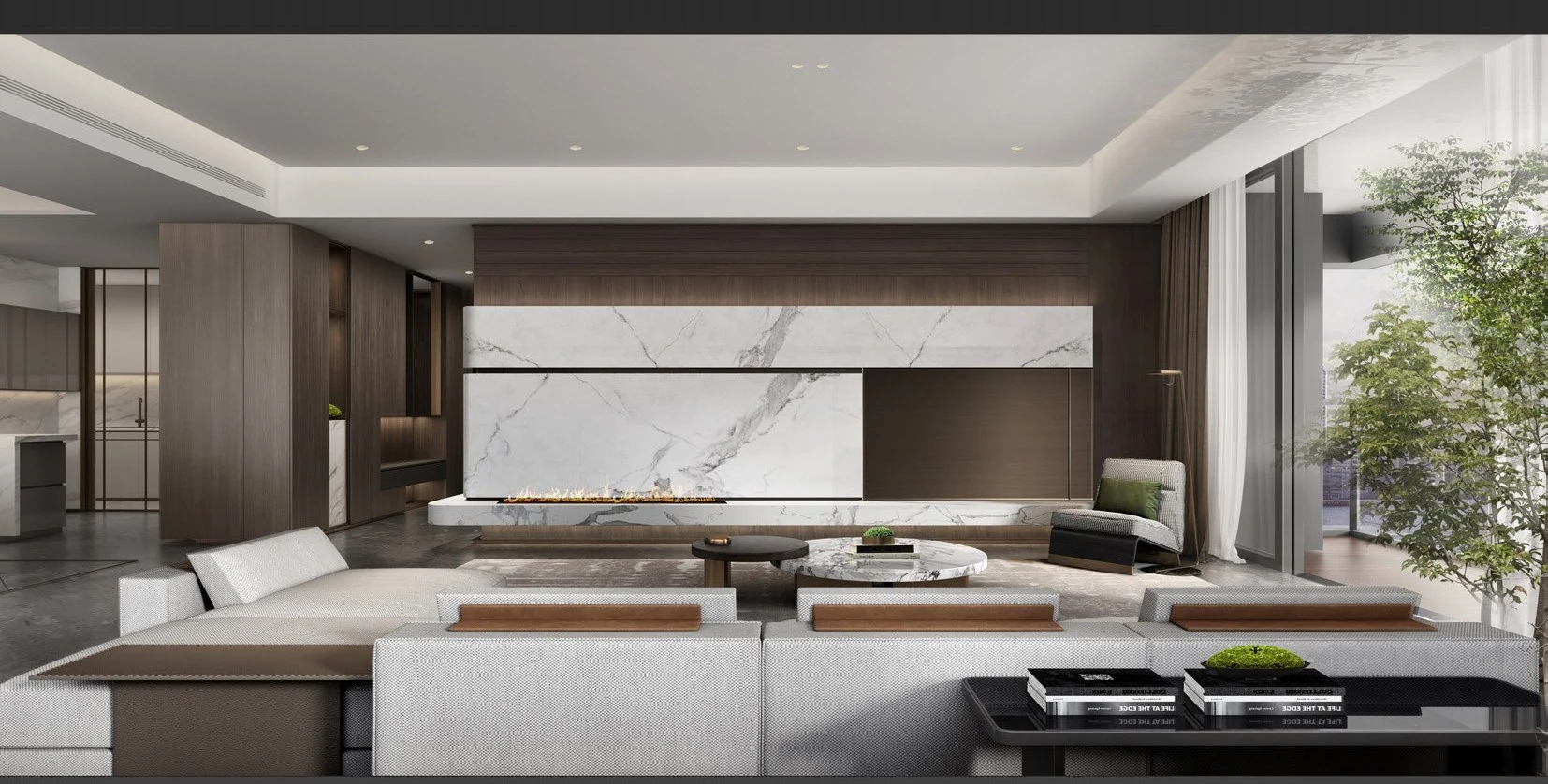
Premium natural materials such as marble, stone, and warm wood
-
Sculptural lighting that creates atmosphere
-
Soft textures and layered fabrics
-
Elegant yet relaxed furniture arrangements
This design language allows hotels to feel sophisticated while remaining approachable.
In the context of Interior Design Ho Chi Minh City, Modern Luxe often integrates subtle Vietnamese design influences—lacquer finishes, handcrafted ceramics, woven textiles, and art inspired by local landscapes.
The result is a hotel that feels globally luxurious yet deeply connected to place.
Designing the Arrival Experience: First Impressions Matter
The guest journey begins the moment a traveler steps into the lobby.
In modern hospitality design, the lobby is no longer simply a reception area. It functions as a social hub, meeting space, and visual introduction to the hotel’s identity.
In Ho Chi Minh City, lobby spaces often incorporate:
-
Dramatic double-height ceilings
-
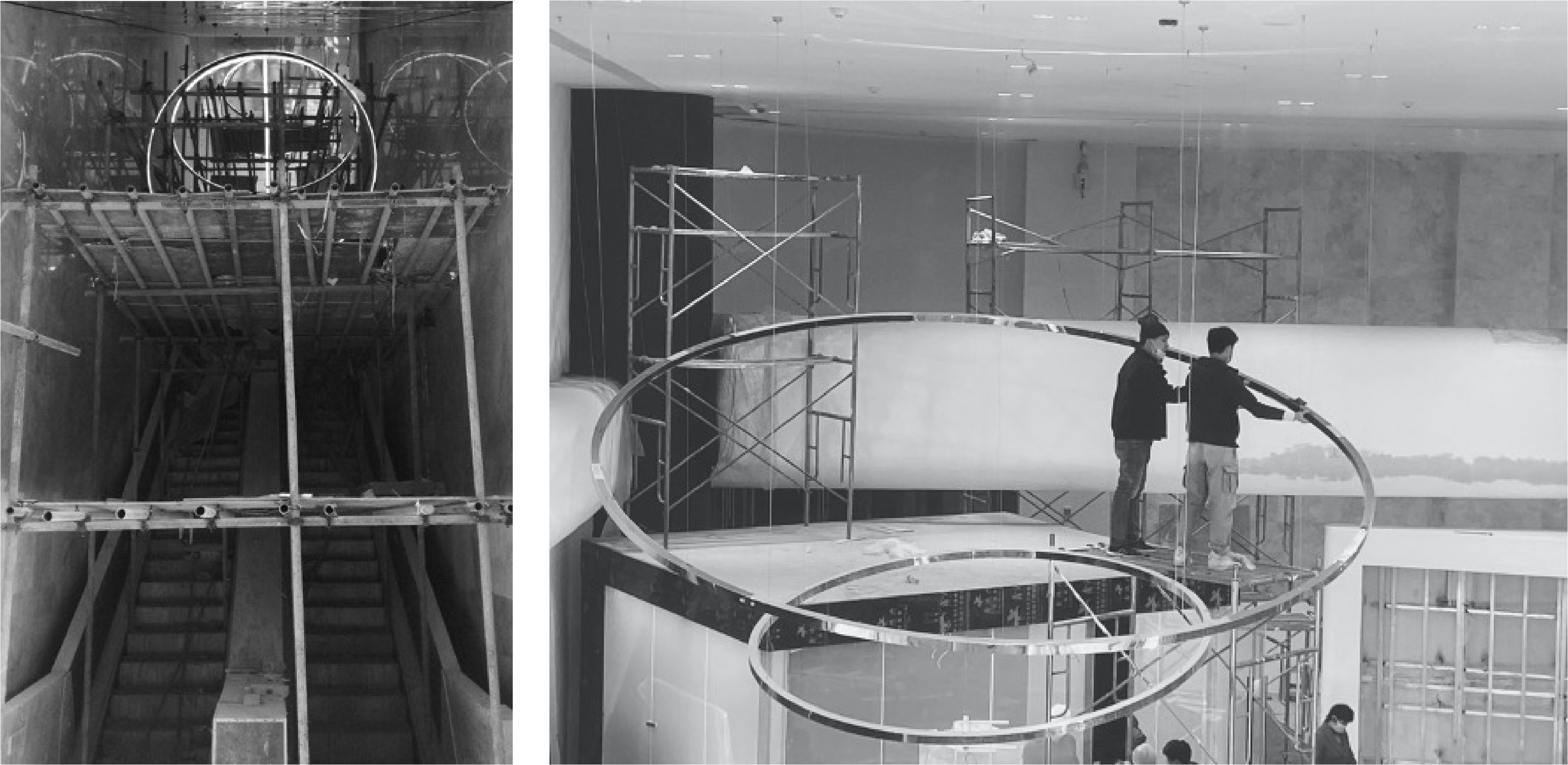
Statement lighting installations
-
Art pieces inspired by Vietnamese culture
-
Comfortable lounge seating
Reception desks are increasingly designed to feel less transactional and more welcoming.
Guests should feel immediately at ease—chào mừng, a warm sense of welcome that reflects Vietnamese hospitality.
Guest Rooms: The Personal Sanctuary
While public spaces create first impressions, guest rooms ultimately define the hotel experience.
Successful guest room design focuses on comfort, functionality, and atmosphere.
In Ho Chi Minh City’s luxury hotels, rooms often feature:
-
Neutral color palettes inspired by natural tones
-
Large windows showcasing city views
-
Ergonomic furniture for both relaxation and work
-
Thoughtfully layered lighting
Travelers today frequently combine business with leisure, making multifunctional room layouts essential.
A well-designed room provides spaces for rest, productivity, and quiet reflection—all within a refined environment.
Restaurants, Bars, and Social Spaces as Lifestyle Destinations
Ho Chi Minh City’s culinary culture is internationally celebrated.
Hotels that integrate distinctive dining venues often become local social destinations rather than purely guest-only facilities.
Rooftop bars overlooking the skyline, contemporary Vietnamese restaurants, and relaxed café lounges all contribute to a vibrant hospitality ecosystem.
Designing these spaces requires careful attention to mood and spatial flow.
Lighting becomes more atmospheric, seating arrangements encourage conversation, and materials create tactile richness.
As designers specializing in hospitality and social environments, we see these venues as opportunities to shape unforgettable experiences where locals and travelers connect.
Wellness and Leisure in the Urban Hotel
Wellness is increasingly central to the modern hotel experience.
Urban travelers seek spaces where they can relax after busy days of meetings or exploration.
Luxury hotels in Ho Chi Minh City often incorporate wellness amenities such as:
-
Tranquil spa facilities
-
Fitness studios with natural light
-
Rooftop pools with panoramic city views
-
Meditation or yoga rooms
Natural textures, soft lighting, and calming color palettes help these spaces feel restorative.
In a city that moves as quickly as Ho Chi Minh City, wellness spaces provide essential moments of calm—thư giãn, a gentle pause in the urban rhythm.
Designing for Operational Excellence
Behind every beautiful hotel interior is a carefully considered operational strategy.
Successful hospitality design must address practical considerations such as:
-
Efficient guest circulation
-
Service routes that remain invisible to guests
-
Durable materials capable of heavy daily use
-
Intuitive wayfinding that simplifies navigation
These design decisions ensure that the hotel operates smoothly while maintaining its aesthetic integrity.
A well-designed hotel balances visual impact with long-term functionality.
From Concept to Completion: Delivering Luxury Hospitality Design
Creating a successful hotel environment requires close collaboration between designers, architects, developers, and operators.
Our firm approaches hospitality projects through a structured process that includes:
-
Concept development and storytelling
-
Spatial planning and guest journey mapping
-
3D visualization and design presentation
-
Material and furniture curation
-
Coordination with construction teams
This integrated approach ensures that every design detail—from lobby lighting to guest room finishes—contributes to a cohesive and memorable hospitality experience.
Crafting Iconic Hotels for Ho Chi Minh City
As Ho Chi Minh City continues to grow as a global destination, competition within the hospitality industry will intensify.
Hotels that stand out will be those that create emotionally engaging environments—spaces where design tells a story and guests feel connected to the destination.
Through thoughtful creativity, cultural sensitivity, and technical expertise, Interior Design Ho Chi Minh City can transform hotel properties into distinctive hospitality landmarks.
At our firm, we believe every hotel should feel like a destination in itself—modern yet timeless, luxurious yet welcoming, and always deeply connected to the spirit of the city.
Because great hospitality design does more than house travelers.
It shapes how they remember the journey.
Connect with us in